I thought the important people were doing away with daylight-saving time, but then I found out they argue about this all the time and nothing is changing. So, last weekend we set our clocks back. As I reveled in the productivity of an extra-long day, I thought back to DST the year our daughter, Kayt, made us a family of three.
Sleep is my drug of choice, so, naturally, I determined that my babies would sleep well. I may have been a wee bit obsessive. When Kayt was two months old, I began tracking her sleep in a spreadsheet. There must be a pattern to her nights and naps, but it wasn’t obvious. I hoped the visual aspect of a spreadsheet would help me find that pattern and answer some questions: How many hours does she sleep at night? Is her morning nap at 9:30 or 10:00? How long is she usually awake before she starts to get sleepy?
For nearly three months I kept notes as Kayt slept and woke, and diligently filled in the cells of the spreadsheet. It was color-coded, blue for night and pink for day. Total hours of sleep were tallied at the bottom. Cells highlighted in yellow indicated when Kayt was tucked in for sleep but was crying or otherwise not sleeping. Cells highlighted in red indicated the start time of any nap 1.5 hours or longer.
I still have that spreadsheet in my Google Docs account. It shows that at two months old, Kayt went to sleep for the night any time between 8:30pm to 1:30am. I’m not surprised my husband and I began “sleep training” with her.
In preparation for sleep training, I created a document to outline bedtime routine, nap-time routine, general schedule for nights and naps, and a description of the sleep environment: white noise, elevated mattress (suggested in a book on sleep), nightlight plugged in where it shed the least direct light on the crib. The document also contained a section titled “Other questions,” as follows:
- Is some of the soothing after swaddling? How much? Offer pacifier, or just forget it?
- What is the absolute longest we’re willing to let her cry without picking her up?
- Ok to check on her any time? Is facial expression important?
- Does one of us need to be on shift until she is asleep? If so, what does that entail? Do we need to be able to hear her just in case something goes wrong? Would it be a bad idea to sit in the room with her?
- If we are overwhelmed by the crying, what are the options? One stays while the other gets out of the house? Watch a movie? Are we concerned about having white noise cover her crying and then not being able to tell what’s going on in her room?
- Do we both do the bedtime routine with her whenever possible? Take turns?
Mercy.
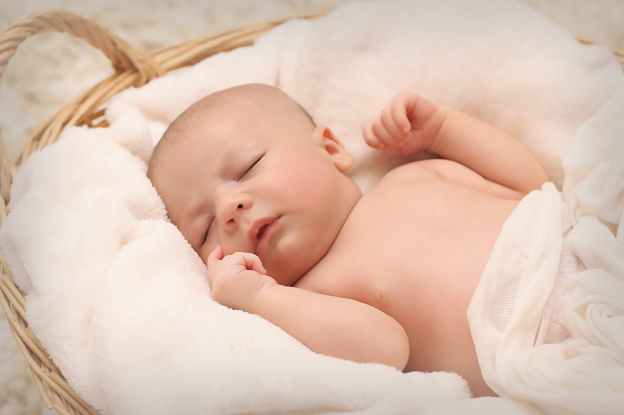
Despite the mostly-unanswered questions, I felt warm and maternal that first night as I cuddled a clean, swaddled baby and gently placed her in the white wooden crib. I turned on lullabies and retired to the living room.
It worked! She fell asleep. For ninety minutes. Then the crying started. I turned up the lullabies so she could hear them above her squall. After five minutes of that, we switched to white noise. My warm maternal feelings deteriorated as I sat with my husband, watching the clock and listening to screams. No one slept until after midnight. The following weeks were not the easy three-night adjustment described in my reading.
On March 6, the week before “spring forward,” I stopped recording sleep in the spreadsheet. I had apparently been blessed with the one child in the U.S.A. who had no sleep pattern. Undaunted, I created another spreadsheet to prepare for daylight-saving time. I made a graduated two-week schedule to incrementally adjust bedtimes and slide right through DST without a hiccup. This was less than successful. I don’t remember the details, due to severe sleep deprivation at that time.
I feel weary as I look back. My own sleep was not rest, but a byproduct of exhaustion—a cold ration meant to keep me alive so I could keep a baby alive. The baby monitor woke me to listen, tense—would rustling sounds turn to cries? Hours in the rocking chair, purchased for looks and not comfort, gave me cricks everywhere.
I really wanted my kids to sleep well. I did not want tiny non-verbal people to trash my drug of choice and coo, unconcerned, while I suffered withdrawals. I read sleep books—the fat ones like Healthy Sleep Habits, Happy Child and the skinny ones like The 90-Minute Baby Sleep Program. I did what they said, to no effect. The Universe tried to teach me a lesson about control—something about not having it—but I wouldn’t listen. It must be possible to manage one tiny girl with white-blond hair and long fingers.
I’m a self-help junkie who consumes a pile of books each year filled with new and old philosophies on relationships and spirituality. Until I had children—our second daughter was born 21 months after Kayt—it was of little concern that the wisdom in those books typically had no lasting effect. As a mom, I needed those books to work. Instead, reading often left me feeling something was wrong with me or my children. I needed hugs more than solutions. But even I didn’t know that.
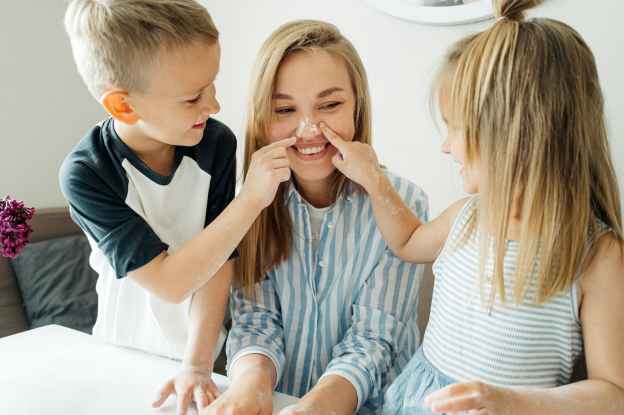
My girls, now 9 and 11 years old, still wake me up at night—they heard a noise, had a bad dream, sister is snoring too loud, thinking of scary things, too hot, too cold, worried they’ll be too tired in the morning because they’ve been lying awake. My years of laboring over their sleep left us all stressed. But, this year on “fall back” day, they slept in. When they woke they played quietly downstairs. I stayed in bed until 8am. It was glorious.
Days are easier now, and so are nights. I’m a much nicer person, too. Is it because eleven years of parenting improved my character? Or because I get to sleep at night and send my kids to school during the day? I’d like to think if a surprise baby joined our family I would take things in stride. Maybe I’d worry less and laugh more. Maybe I’d be more willing to receive the discomfort of not being in control.
Do sleep deprivation and stress bring out a person’s true character, or cause them to act out of character? Honestly, I don’t know. What I do know is that sometimes trying hard makes a problem worse. There are aspects of life that cannot be prevailed upon by hard work, and children are on the list. I doubt anything I did or didn’t do in those early years could have produced a sleep situation happy for all. What I truly needed was to be seen and affirmed, and I found that in friendship, not sleep books.
So, if I dare give advice to battle-worn heroes of the nursery, here it is: Take the books with a grain of salt, lean in to the friends who divulge their struggles, and just give up. Peace may be hidden under the fear of losing control.
P.S. If you’re wondering whether sleep training worked, I’m not sure. Kayt’s hours of sleep between 8pm and midnight increased significantly. Unlike the books promised, the crying didn’t happen at bedtime and result in a long night of uninterrupted sleep. It happened throughout the night, and at different times on different nights. It was an ongoing struggle that defied prediction. But by the time Kayt was one year old, I believe she was typically sleeping 12 uninterrupted hours a night. When our second daughter was born, that quickly ended. If I could start again with babies, would I do sleep training? Maybe. I hope I would follow my gut feeling and drink more coffee.








 My Favorite Subject